
Dream Childcare SEND informaton report
Dream Childcare SEND Information Report Updated February 2026
At Dream Childcare, we are deeply committed to inclusive practice in our warm, nurturing, home-from-home environment. We welcome and celebrate all children, including those with special educational needs and/or disabilities (SEND). Our approach follows the Early Years Foundation Stage (EYFS) statutory framework (effective September 2025) and the SEND Code of Practice: 0 to 25 years, ensuring every child is supported to reach their full potential through play-based, child-centred learning.
This report explains how we identify, assess, and support children with SEND, working in close partnership with parents/carers. We aim for transparency, accessibility, and collaboration so you feel confident and involved every step of the way.
1. How do we identify children who may need extra help? What should I do if I have concerns about my child's development?
We observe children daily through the EYFS framework, recording meaningful observations, planning 'next steps', completing the statutory progress check at age two, and tracking progress in individual learning journals (via Tapestry).
On starting, we gather detailed information from you about your child's routines, interests, strengths, and any existing needs or diagnoses. Initial assessments cover all seven areas of learning.
We maintain open, ongoing communication: daily chats at drop-off/pick-up, Tapestry updates with photos and observations, and parents' evenings twice a year.
Our open-door policy means you can raise concerns anytime—by phone, email, in person, or via Tapestry. If you suspect your child may have SEND, speak to us early; we'll listen to your observations, share ours, and agree next steps together, such as targeted support or involving external professionals with your consent.
2. How will Dream Childcare staff support my child?
All activities are planned around each child's unique needs, interests, and stage of development. We use child-initiated play alongside adult-guided opportunities, with regular reviews to adapt provision.
Our team differentiates flexibly: small-group activities, one-to-one support when needed, visual aids, sensory resources, or simplified instructions. We incorporate children's voices and preferences to keep learning engaging and motivating.
3. How is the curriculum adapted to meet my child's individual needs?
We follow the EYFS curriculum, adapting it through differentiation by ability, interest, and need to ensure full participation in group and individual activities.
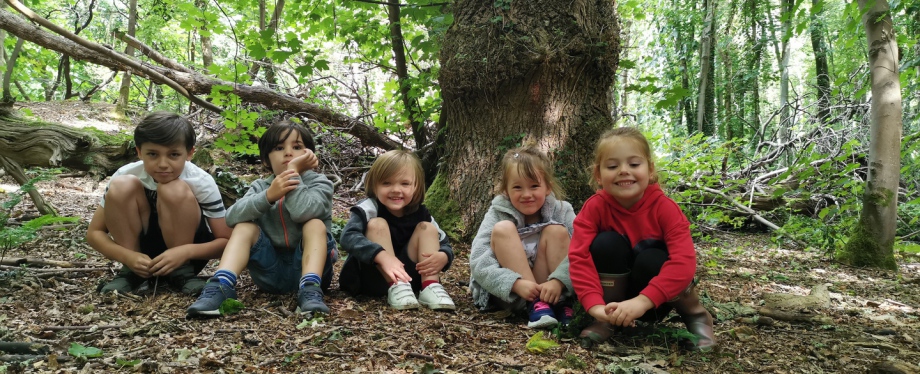
Learning is made meaningful by building on what your child enjoys. We enhance experiences with weekly themes, outdoor exploration, and educational outings (e.g., to beaches, forests, parks, farms) to spark curiosity and support all-round development. Reasonable adjustments ensure accessibility for every child.
4. How will we know how my child is progressing, and how can you help me support their learning at home?
You receive daily updates via face-to-face conversations and Tapestry (photos, observations, achievements). Our open-door policy allows contact anytime.
Twice-yearly parents' evenings review progress, celebrate successes, and plan support if needed.
We promote home learning by lending resources (books, toys for short loans), sharing activity ideas, and signposting local toy libraries.
If progress is slower in any area, we'll discuss this sensitively with you first. With agreement, we may seek advice from specialists (e.g., speech and language therapists, health visitors) to ensure tailored support.
5. What support is there for my child's overall well-being?
Your child's emotional, physical, and social well-being is our priority. Our experienced team (over 106 years combined, most NVQ Level 3 qualified, all paediatric first-aid trained) follows robust, annually reviewed policies on safeguarding, behaviour, medicine administration, and more (available on request).
We provide secure, welcoming indoor/outdoor spaces, including branded hi-vis jackets and sunhats for outings, full first-aid kits, and calm areas for regulation.
6. What specialist services and expertise do we access?
We have strong links with professionals such as health visitors, speech and language therapists, occupational therapists, hearing/vision impairment teams, and our local Early Years SEND Coordinator (Area SENCO).
If needs arise, we work with you to access support promptly, drawing on local Children and Family Centres or other services.
7. What training have staff received or are undertaking to support children with SEND?
Our team engages in continuous professional development, including attending local SENCO network meetings.
Many have completed training in Makaton, sensory play, autism awareness, equality and diversity, supporting English as an additional language, and inclusive practice. We stay updated on best practice to meet evolving needs.
8. How will my child be included in activities outside the setting, including outings?
As a home-based setting, we plan outings carefully with individual needs in mind. We seek parental consent in advance, discuss requirements, and choose accessible venues with suitable facilities (e.g., accessible toilets).
We adapt where needed (portable equipment, extra support), and always carry essentials: drinks, first-aid, sun cream, emergency contacts. Full inclusion and safety are ensured for everyone.
9. How accessible is the setting?
We operate from a cosy two-bedroom cottage and wooden lodge on our grounds, each with kitchen, toilet, heating, and hot water. Ample driveway parking is available, near local amenities (nurseries, leisure centre, primary school within 3 miles).
Our large, secluded garden supports outdoor play. For children needing temporary wheelchair access, we provide a portable ramp. We make reasonable adjustments to remove barriers under the Equality Act 2010.
10. How do we support transitions into, within, and out of the setting?
Settling-in is flexible and parent-led: two free 2-hour sessions before starting, with gradual build-up. We adapt to what suits your child best.
For moves to school or another setting, we share learning journals (progress, interests, needs), discuss changes positively, read transition stories, and prepare for new routines. We liaise with receiving settings/schools to ensure smooth handovers.
11. How are resources allocated for children with SEND?
We offer funded early education places (from 9 months for eligible children). For SEND, we prepare resources/equipment in advance, in consultation with you and specialists. If additional funding (e.g., Disability Access Fund) is appropriate, we support applications collaboratively.
12. How do we decide on the type and level of support?
Decisions are made together with you, based on observations, assessments, your insights, and any professional advice. We use the graduated approach (Assess–Plan–Do–Review) to identify needs, trial strategies, review impact, and adjust. Options include targeted interventions or external referrals.
13. How are parents involved, and how can I get involved?
Your voice is central. We send questionnaires twice yearly for feedback, welcome suggestions, and maintain our open-door policy for ongoing dialogue.
Join us for events, share ideas, or contribute to planning—your partnership helps us improve.
14. Who can I contact for more information?
Contact us anytime for discussions about your child—we're available at convenient times.
For further advice:
- Local Family Information Service
- Children and Family Centres
- Health Visitor team
- Local authority Local Offer (search your council's website)
We look forward to partnering with you for your child's happy, confident, and successful early years. Thank you for choosing Dream Childcare—we're here to support every step.

Contact Us:
Address
Dream Childcare:
Old Bridge House
Lidsey Road
Bognor Regis
PO22 9PF
 Share
Share Print
Print 